Discover the Elegance of Royal Diamonds: A Detailed Guide
For centuries, royal diamonds have mesmerized historians, gemologists, and enthusiasts alike. Their allure stems from the extraordinary histories and influential individuals who previously owned them. Every stone reveals its own narrative, displaying the artistic excellence and craftsmanship of its era. Appreciating these stones necessitates an examination of their exceptional properties and the precise maintenance they necessitate. What secrets do these extraordinary stones hold, and how do they remain fascinating to those who encounter them?
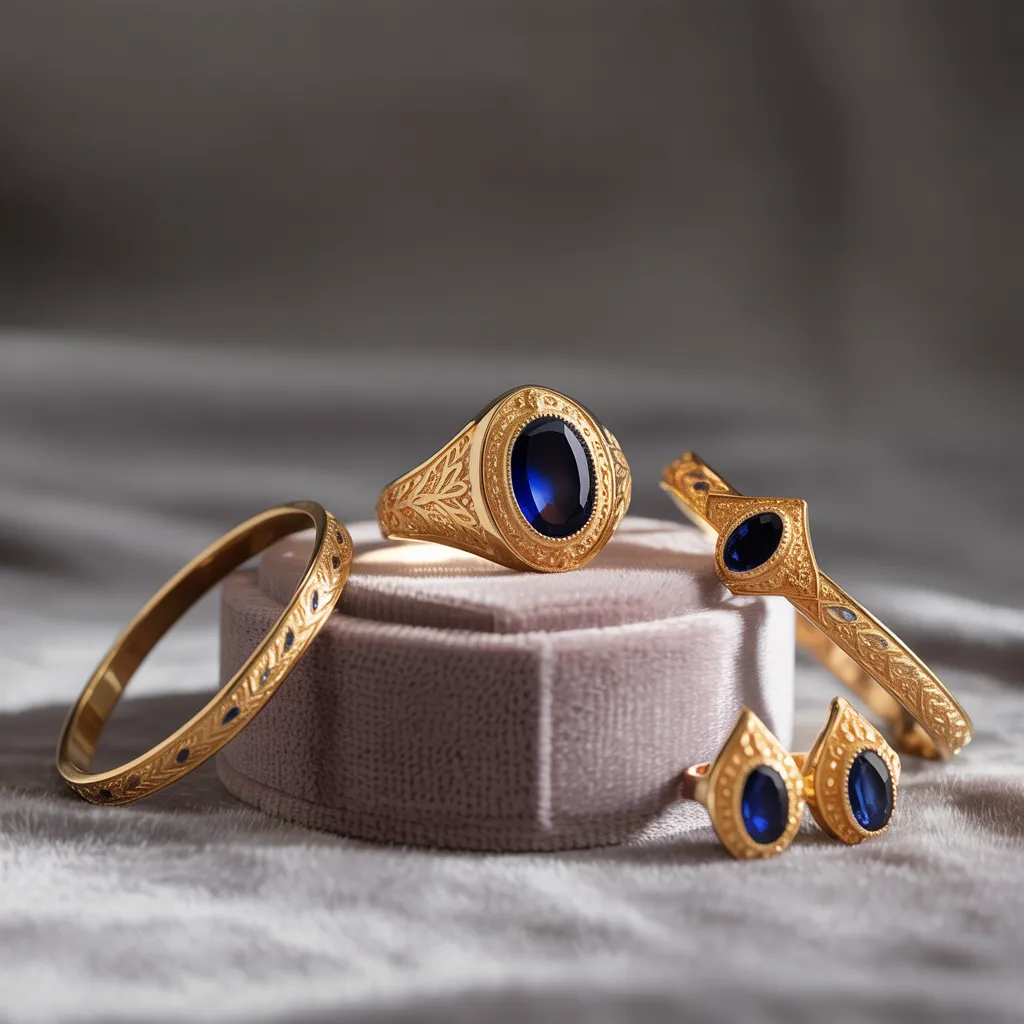
The Story Behind Royal Diamonds
Even though diamonds have mesmerized humanity for centuries, royal diamonds occupy a singular place in history as symbols of power and prestige. These exceptional gemstones have adorned the crowns and regalia of monarchs, representing not only wealth but also divine right and authority. The allure of royal diamonds can be linked to ancient civilizations, where they were often linked to gods and the elite. Over time, the tradition of using diamonds in royal insignia proliferated across cultures, including Europe, Asia, and the Middle East.
As empires rose and fell, these stones' importance likewise shifted. Imperial diamonds regularly appeared in storied accounts, amplifying their mystique. Their journeys often involved detailed accounts of conquest, duplicity, and heritage, additionally cementing their standing. Ultimately, the story of royal diamonds illustrates the meeting point of craftsmanship, political power, and human ambition, showcasing their timeless impact across the ages.
Notable Monarchical Diamonds Across Time
Over the course of history, particular royal diamonds have emerged as iconic symbols of intrigue and power. Among the most famous is the Koh-i-Noor, originally from India and eventually acquired by the British Crown, reflecting a chaotic history of dominion and possession. Another remarkable gem is the Hope Diamond, renowned not only for its rich blue color but also for its alleged curse, fascinating the popular imagination for generations. The Cullinan Diamond, the largest gem-quality diamond ever discovered, was separated into several remarkable pieces, including the Star of Africa, now among the British Crown Jewels. In France, the Regent Diamond has a illustrious past, having adorned the crowns of numerous monarchs. Each of these diamonds carries with it tales of cultural significance, intrigue, and royal heritage, securing their places in history as considerably more than mere gemstones.
The Distinctive Features of Royal Diamonds
These royal diamonds contain unique characteristics that distinguish them from other gemstones. One of their most distinctive features is their exceptional clarity, often showing fewer inclusions than ordinary diamonds. This clarity amplifies their brilliance and enables light to reflect magnificently, creating an captivating sparkle. Furthermore, royal diamonds frequently showcase rare colors, such as deep blues, vivid pinks, and intense yellows, which make them exceptionally coveted by collectors and connoisseurs. Their unique hues are often linked to the presence of specific trace elements during their formation. Moreover, royal diamonds are generally larger than average, because of their historical significance and the prestige of their owners. The history encompassing these gems adds an additional dimension of allure, as many have been within royal collections for centuries. Together, these characteristics make royal diamonds not only representations of luxury but also exceptional pieces of art in their own right.
The Artistry Behind Royal Diamond Jewelry
Producing royal diamond jewelry requires a skillful blend of artistry and precision. Expert artisans start with the careful selection of high-quality diamonds, inspecting each stone for clarity, cut, and brilliance. This thorough process guarantees that only the highest-quality gems are selected for each unique piece.
When chosen, the diamonds undergo a careful crafting process where master gem cutters shape them to optimize their sparkle. The setting of these gems is equally crucial; jewelers apply diverse techniques, such as prong, bezel, or pave settings, to accentuate the diamond's beauty while guaranteeing durability.
Additionally, the metalwork frequently incorporates intricate designs, requiring both technical skill and creative vision. The final assembly merges these elements, resulting in royal diamond jewelry that embodies elegance and sophistication. This careful craftsmanship not only highlights the diamonds but also reflects the craftsmanship that elevates each piece to a work of art.
Your Royal Diamonds: Care Instructions
Preserving royal diamonds calls for diligence to maintain their sparkle and quality. Frequent cleaning is necessary; using a soft, lint-free cloth can work to eliminate dust and oils that gather over time. For comprehensive cleaning, a mixture of warm water and soft soap can be utilized, with a soft brush to get into small gaps. It is important to wash thoroughly and pat key information dry with a soft cloth to avoid residue.
To protect royal diamonds from scratches, they should be stored separately in a soft pouch or lined jewelry box. Do not expose them to harsh chemicals, including household cleaners, as these can deteriorate the stone and its setting.
Moreover, periodic professional inspections are suggested to confirm secure settings and overall condition. By applying these straightforward yet successful care recommendations, individuals can preserve the elegance and elegance of their royal diamonds for years to come.
Popular Questions
What Are the Best Places to Buy Royal Diamonds?
The most recommended places to acquire royal diamonds include established jewelry retailers, exclusive retail shops, and well-known online merchants. Also, auctions and estate sales can give unique opportunities for securing magnificent royal diamond pieces.
How Do Royal Diamonds Stack Up Against Other Diamond Varieties?
Royal diamonds are often regarded as superior owing to their exceptional clarity, color, and cut, separating them from other diamond types. Their unique attributes elevate brilliance, making them a sought-after choice among enthusiasts and collectors.
Do Royal Diamonds Make a Good Investment?
Royal diamonds can be a solid investment due to their rarity and desirability. Their unique characteristics typically contribute to higher resale values, making them appealing to collectors and investors looking to diversify their portfolios.
Is Resizing or Repurposing Royal Diamonds Possible?
Royal diamonds can typically be resized or repurposed, depending on their specific settings and designs. Expert jewelers generally assess the diamond's attributes prior to making changes to ensure the integrity and beauty remain intact.
What Are the Most Common Settings for Royal Diamonds?
The most common settings for royal diamonds include halo, solitaire, three-stone, and vintage styles. Each setting enhances the diamond's brilliance, allowing it to shine while suiting different personal tastes and jewelry designs.